
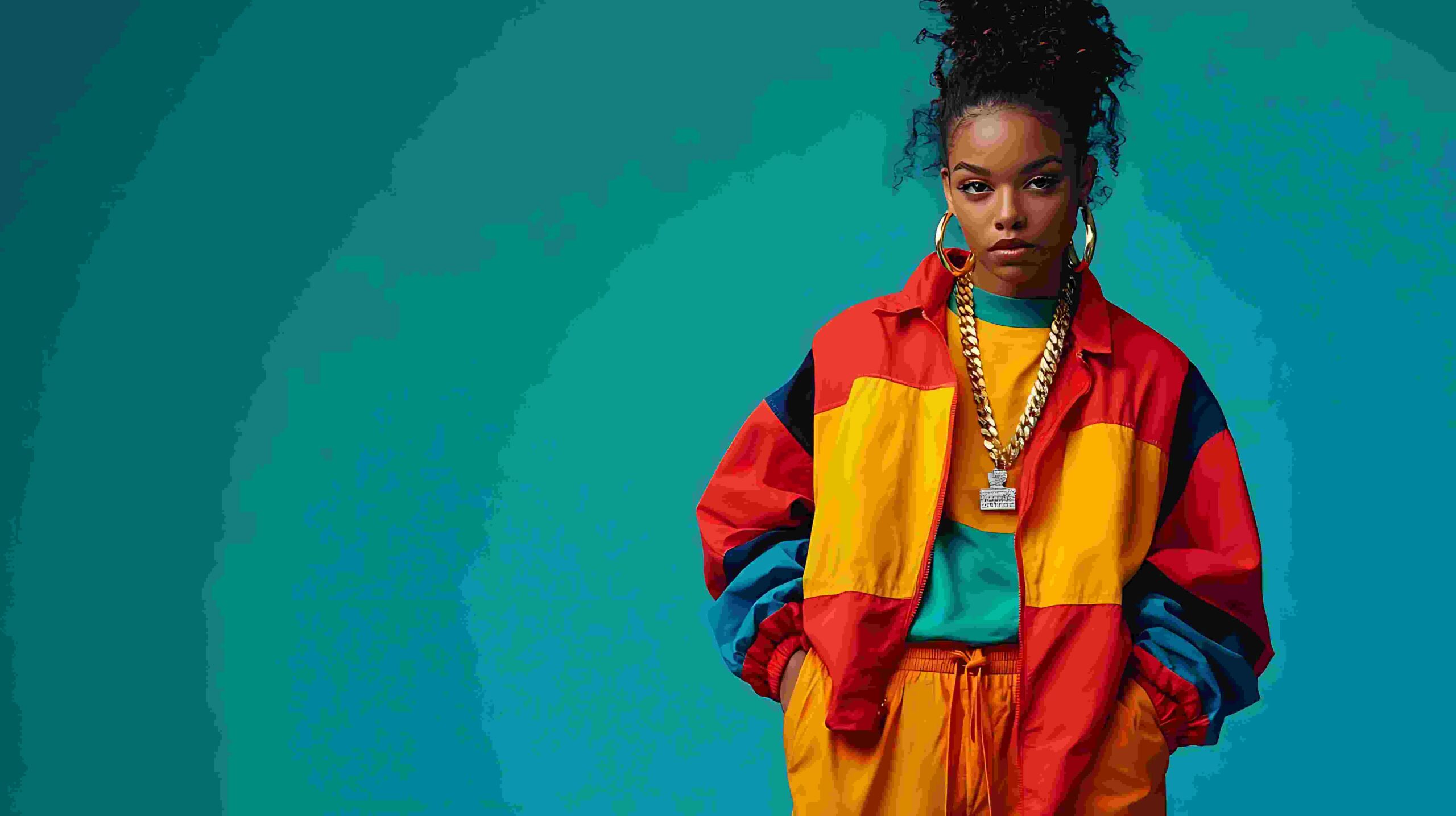
The launch of ZENTAII by Ashcorp is more than a new skincare brand entering an already crowded market. It is a window into a structural shift underway across Africa’s luxury economy, where the most ambitious fashion houses are beginning to build the kind of multidimensional brand ecosystems that define the world’s great luxury groups.
Two years of development. A debut at Ashluxury HQ in Lagos. A toner, a range of lip lacquers, and an intention that extends well beyond the products themselves.
ZENTAII, officially launched in May 2026 by Ashcorp, is the beauty and skincare entry of one of Nigeria’s most significant luxury groups. Founded in 2016 by designer and creative director Yinka Ash, Ashcorp is the holding company behind Ashluxe and Ashluxury, brands that have helped define what contemporary African luxury looks and feels like for a generation of consumers in Lagos, London, and beyond. ZENTAII is co-owned by Chidera Ash and enters the market with a clear positioning around intentional self-care, science-backed formulations, and what the brand describes as elevated everyday rituals.
The debut range includes the Tone It Down PH Balancing Soothing Toner and a collection of Lip Lacquers in shades including Cotton Candy, Peach Pearl, and Mocha Mousse. As a first chapter, the range is deliberately foundational, establishing the brand’s formulation language and aesthetic vocabulary before expanding into a fuller product ecosystem.
But to read ZENTAII only as a product launch is to miss the larger story it is telling.
The Fashion-To-Beauty
Yinka Ash has been explicit about Ashcorp’s founding philosophy: culture is not separate from business strategy, it is the business strategy. From the Kalakuta Republic runway paying tribute to Fela Kuti, to the Olympiad collection launched with a short film in Lagos cinemas, every Ashcorp brand decision has been an act of cultural authorship as much as commercial calculation. ZENTAII extends that logic into a new category, one that the world’s most enduring luxury houses have long understood as essential territory.
The precedent is well established globally. The great fashion houses of Europe did not remain fashion houses. They became fragrance empires, beauty conglomerates, hospitality brands, lifestyle universes. The commercial architecture of LVMH, Kering, and Richemont is built on the understanding that the most valuable thing a luxury brand can sell is not a product but a world, and that world needs to be accessible across every dimension of a consumer’s life. Beauty and skincare are among the most intimate and most recurring of those dimensions.
African fashion brands are beginning to follow a similar trajectory, and the market conditions that make this expansion logical are well documented. According to Mordor Intelligence, Africa’s cosmeceuticals market is projected to grow from $4.12 billion in 2025 to $6.33 billion by 2031, at a CAGR of 7.39%, driven by the intersection of validated indigenous botanicals, rising urban consumer sophistication, and mobile commerce that has redrawn the path to purchase even in traditionally underserved markets. Technavio puts Africa’s broader beauty and personal care market growth at over 8% annually through 2030, adding $8.18 billion to its current value over that period.
A fashion house with an established consumer relationship, a luxury positioning, and a retail infrastructure already in place is entering this market with advantages that a standalone beauty brand launching from scratch simply does not have.
The Consumer ASHCORP Is Building For
The modern African luxury consumer that Ashcorp has spent a decade cultivating is precisely the consumer that the beauty industry’s most sophisticated players are competing to reach. Mordor Intelligence’s 2026 market analysis finds that premium and luxury beauty offerings in the Middle East and Africa region are forecast to grow at 7.05% through 2031, outpacing the mass tier, as rising urban incomes and shifting aspirations drive consumers toward self-care products that signal both quality and identity.
This consumer is not simply buying a toner or a lip lacquer. They are buying into a ritual, an aesthetic, a set of values about how their daily life should feel and what that says about who they are. ZENTAII’s positioning around intentional self-care and elevated everyday rituals is not marketing language. It is a precise reading of what this consumer is looking for and what they are willing to pay for when they find it.
Ashcorp’s founder has spoken directly about designing experiences that solve real problems, starting with deep customer understanding. “We don’t just create products; we design experiences,” Yinka Ash told the Guardian in 2025. That methodology, he noted, keeps Ashcorp customer-focused even as it scales. ZENTAII carries that same logic into formulation, where science-backed skincare is positioned not as a technical claim but as a promise of genuine efficacy to a consumer who has learned to demand both performance and story from the products they choose.
Why This Launch Matters Beyond The Brand
ZENTAII’s entry into skincare is significant for what it represents about the direction of African luxury more broadly. Ashcorp Group now describes itself as a global luxury fashion, lifestyle, and beauty conglomerate with offices in Nigeria and the United Kingdom, a self-description that is notable precisely because it positions beauty not as an extension of the fashion business but as a co-equal pillar of the group’s identity.
This framing reflects a genuine evolution in how African luxury brands understand their own category. Beauty and skincare are no longer secondary industries to fashion. They are central to identity, culture, wellness, and the commerce of aspiration. The most successful fashion houses globally understood this transition years ago and built accordingly. The African luxury brands that understand it now are building the positions that will be very difficult to displace in a decade’s time.
Launches like ZENTAII also bring into sharper focus a set of structural questions that Africa’s growing beauty economy needs to address more systematically. As more fashion houses enter skincare and cosmetics, the conversations around formulation ownership, manufacturing standards, regulatory compliance, trademarks, trade secrets, product liability, and consumer protection become increasingly important. As Mordor Intelligence notes, regional economic communities including SADC have begun harmonising cosmetic standards, reducing compliance duplication across borders, while the AfCFTA’s zero-tariff provisions on biodiversity-based inputs are making cross-border ingredient sourcing more commercially viable. The infrastructure is developing. The brands entering the space now will be the ones that help define what standards look like when it matures.
The future of Africa’s luxury market may not belong to brands that sell only fashion products. It may belong to those building complete ecosystems around beauty, culture, lifestyle, wellness, and intellectual property, the same model that turned European fashion houses into the most commercially durable luxury businesses the world has ever seen.
ZENTAII is one data point in that trajectory. What makes it worth watching is not the lip lacquers. It is the institutional seriousness behind the brand, the decade of luxury brand building that precedes it, and the clarity with which Ashcorp has understood that the next chapter of African luxury is written not in one category but in many.