
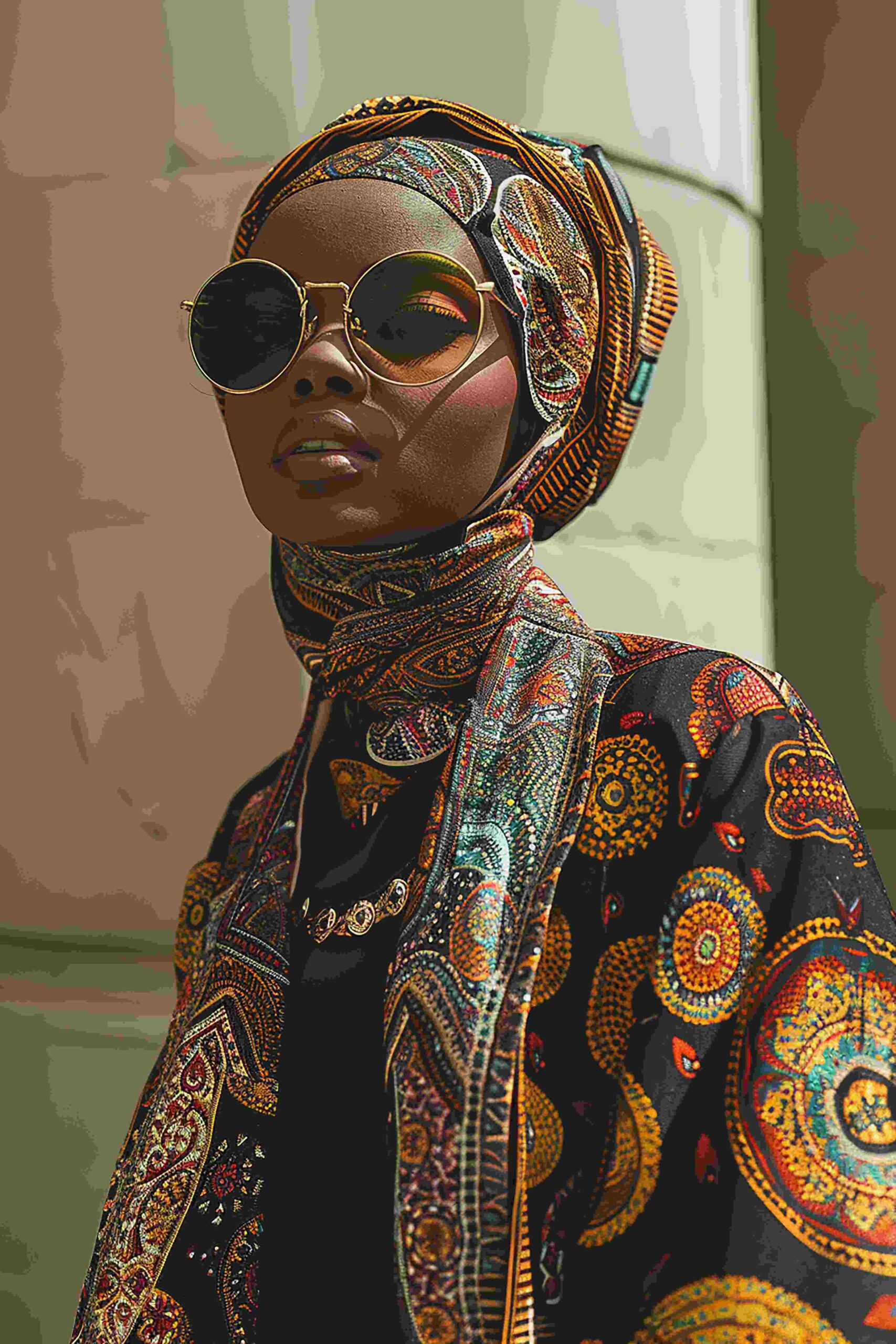
From Lagos to London, Nairobi to New York, a new generation of African beauty entrepreneurs is taking their brands global. The investors are interested. The retail partners are circling. But the infrastructure may not yet match the ambition.
There is a moment that many African beauty founders describe, a moment when they realised their product was not just filling a gap in their local market, but addressing a need that existed globally. For some, it is a request from a diaspora customer asking how to ship to London or Houston. For others, it is a DM from a beauty editor at an international publication. For the founders building the most ambitious companies, it is the moment they begin to imagine their brand not as an African brand that occasionally exports, but as a global brand with African roots. That moment is arriving earlier and more frequently. The question is what happens next.
The Global Opportunity
The global beauty market’s growing appetite for authentic, natural, and culturally distinct products has created genuine commercial space for African beauty brands. Consumers in Europe and North America particularly but not exclusively African diaspora consumers are actively seeking products that serve melanin-rich skin, that use African natural ingredients authentically, and that carry the cultural weight of African identity. This is not a niche. The global textured hair care market alone exceeds $10 billion annually.
African beauty brands have something that global multinationals cannot easily replicate: authenticity. A Ghanaian shea butter formulation developed by a Ghanaian founder for Ghanaian skin has a different story than the same ingredient in a product developed in a Unilever laboratory. Increasingly, that story has commercial value provided the brand can tell it credibly and at scale.
What Global Expansion Actually Requires
The founders who have successfully taken African beauty brands global are consistent in their assessment of what expansion requires. Regulatory compliance is the first challenge: different markets have different requirements for cosmetic product registration, ingredient restrictions, and labelling. The EU’s cosmetic regulation, the US FDA’s requirements, and the UK’s post-Brexit framework each require navigating complex documentation and, in many cases, reformulation.
Distribution is the second challenge. Getting onto retail shelves in international markets requires relationships with buyers at beauty retailers, with distributors who serve independent beauty stores, and increasingly with the influencer networks that drive discovery in major markets. These relationships take time and money to build, and many African beauty brands arrive at international markets without the runway to sustain the investment required.
Brand infrastructure is the third challenge. International retail partners and serious investors want to see professional brand identity, consistent packaging, a clear positioning strategy, and evidence of domestic market success. Many excellent African beauty products are housed in packaging and brand identities that do not reflect their quality, limiting their ability to command the premium pricing that international markets can sustain.
The Investors Are Watching
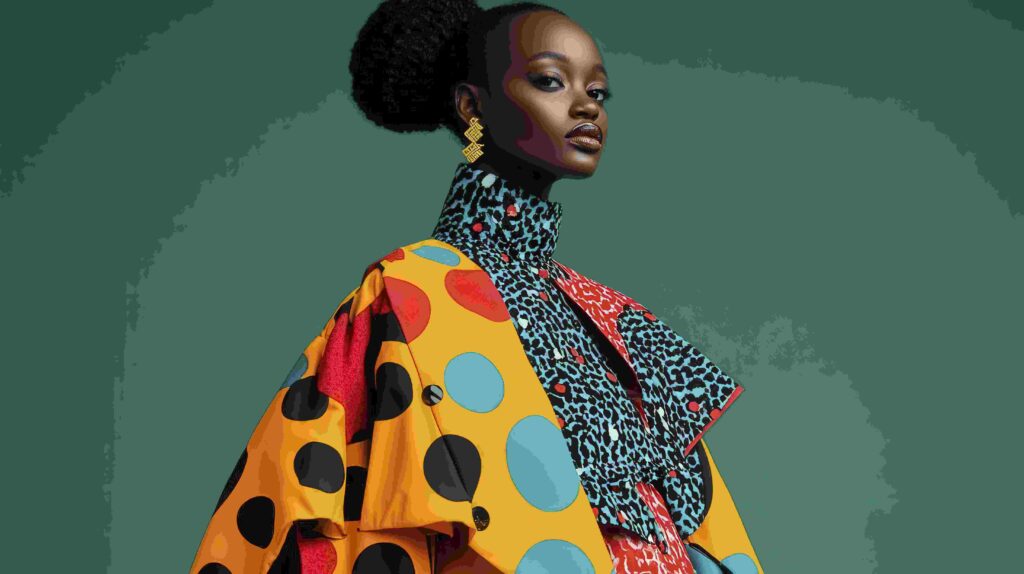
Venture capital interest in African beauty brands has grown substantially in the last three years. Several international beauty funds have made Africa a focus, attracted by the combination of genuine consumer demand, authentic brand stories, and founder quality. African-focused VC funds are also increasingly looking at beauty as a category alongside the fintech and logistics investments that have historically dominated their portfolios.
The founders navigating this successfully are those who have become sophisticated about investor selection, who understand what different types of capital are actually for, and who are willing to take longer to find the right partner rather than accept the wrong terms from the wrong investor.
The Infrastructure Question
The broader ecosystem question whether the industry infrastructure exists to support African beauty brands going global is being answered in real time. Specialist beauty accelerators focused on African brands have emerged in Lagos, Nairobi, and London. Beauty trade organisations are beginning to create export market development programmes. And the community of African beauty founders who have made the global transition successfully is growing, creating a network of knowledge and relationship that earlier generations did not have access to.
The industry is not fully ready. But it is getting ready faster than anyone predicted, driven by founders who have decided not to wait for perfect conditions before building the companies they believe the world needs.